Charleston drivers spend a lot of time navigating salt air, bridge winds, and surprise construction zones. Windshield chips and side glass mishaps don’t check your calendar first. They happen on the way to daycare, after a long shift at MUSC, or under a live oak when an acorn hits just wrong. That is why mobile auto glass in Charleston SC paired with true 24/7 scheduling isn’t a luxury, it is the difference between getting back to life today or burning a whole day juggling rides and work calls.
I have worked around glass bays long enough to know the patterns. Stormy afternoon, humidity hanging heavy, phones ring with cracked windshield repair in Charleston SC. A quiet Sunday morning after a RiverDogs game, a back window is spidered by a fallen branch. Even a pinhead chip from Highway 17 can spread to a running crack by the next temperature swing. The need is real, and the timing is rarely convenient. Fortunately, mobile service has matured to the point where most repairs and replacements happen right in your driveway or office lot, and the best shops give you a scheduling link that never sleeps.
What 24/7 Scheduling Actually Delivers
Plenty of companies splash “24/7” across their sites, then limit real work to business hours. Here is the meaningful version of round-the-clock access I advise people to look for. First, a booking portal or text line that takes your details any time of day and confirms an appointment window without forcing you to call back during the week. Second, dispatch logic that slates urgent windshield repair in Charleston SC for first-out morning routes so you are safe by school drop-off. Third, after-hours triage by a live human or smart intake that can escalate a safety-critical situation, like a blown-out rear glass or compromised driver’s view.
Mobile auto glass in Charleston SC is different than walk-in because logistics drive success. Crews cover pockets of the Lowcountry, from West Ashley to Mount Pleasant to North Charleston. With 24/7 scheduling, the system preloads the next day’s routes while you sleep, slots your address near an existing run, and ensures the right parts hit the van before dawn. You wake to a text confirmation and a tech shows up with the correct glass, clips, moldings, and urethane already onboard.
What Can Be Repaired vs. What Should Be Replaced
People often ask if a star chip is safe to fix or if a long crack can be saved. Here is the rule of thumb that has served me on the ground. A chip smaller than a quarter, away from edges and not in the driver’s critical view, is highly likely to qualify for chip repair in Charleston SC. If addressed within a few days, the resin bonds well and restores structural integrity to the outer layer. The sooner the better because moisture and grit in the break reduce repair quality. By contrast, a crack longer than roughly 6 to 8 inches or any break touching the edge of the glass tends to warrant a replacement. Edge damage stresses the laminate and spreads faster with heat or vibration.
Modern vehicles complicate the decision because many windshields carry sensors and cameras. ADAS calibration in Charleston SC becomes part of the conversation when replacing a windshield that supports lane departure or adaptive cruise functions. A repair does not typically require recalibration, but a replacement usually does. That adds complexity to scheduling and points to why you want a shop that offers both mobile glass service and mobile or in-bay calibration, not a handoff to a third party that delays delivery.
The Whole Menu: From Windshield to Side and Rear
Windshields get the headlines, yet half of the mobile calls I see involve side and rear glass, especially after break-ins or parking mishaps on narrow streets downtown.
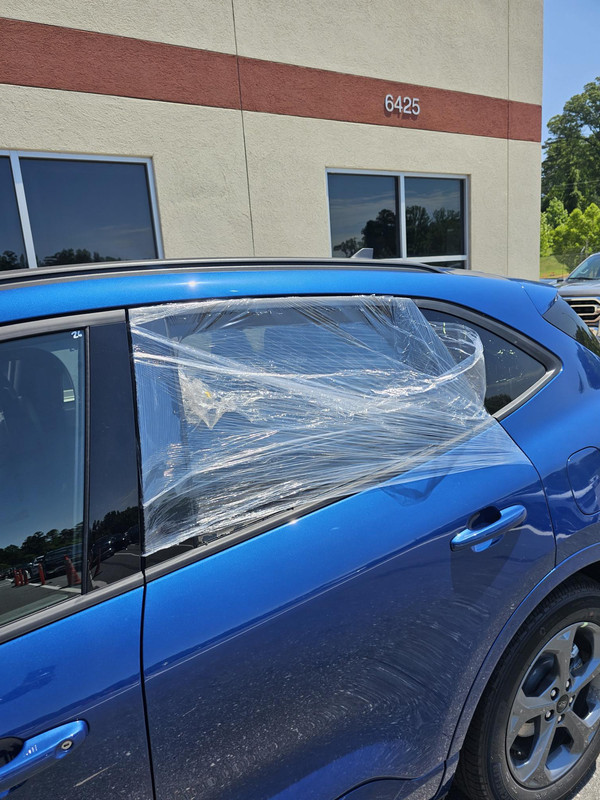
Rear window replacement in Charleston SC usually cannot wait. Back glass is often tempered and shatters into cubes on impact, leaving a big opening for rain and theft. A good mobile crew arrives with a vacuum, tempered replacement glass, fresh molding, and a plastic seal option if an exact model is on backorder. They clean every fragment out of the trunk ledge and quarter panel pockets, not just the visible pieces on the deck. I have pulled glass shards from tailgate latches weeks after a rushed job.
Side window repair in Charleston SC tends to be either a regulator failure or another tempered break. For a broken side lite, the fix is straightforward: clean up, replace glass, test the window track. Regulators require diagnosis. If the motor spins but the glass does not climb, the clip or cable inside the door may have failed. Mobile techs can pop the door panel, replace the regulator assembly, and button it back up in under two hours on many models. On older vehicles with rust or swollen door seals, plan a little longer. Salt air does not spare hardware.
The Charleston Factor: Heat, Humidity, and Salt
Southern coastal climate nudges small defects in the wrong direction. Daily swings from afternoon heat to cool evening air make glass expand and contract. A chip that looks stable at noon can spread by the next morning. Humidity and rain push moisture into a break, which fights against resin bonding if you wait too long. Salt adds a film that, if not cleaned properly before a repair, can keep the resin from adhering to the glass microstructure.
Because of that, speed matters. If you notice a fresh chip, cover it with a piece of clear tape to keep out dirt and water, then use that 24/7 scheduling link to lock an appointment. I have seen a $90 to $150 chip repair save a $400 to $900 windshield replacement simply because it happened within 24 to 48 hours. Delayed action in summer nearly doubles the chance of a crack forming, especially on vehicles that sit in direct sun at work lots near the port.
How Mobile Appointments Typically Run
Most mobile visits follow a rhythm. The tech arrives in a clearly marked van, confirms your VIN and options, inspects the damage, then sets up a tidy work zone. A windshield repair takes around 30 minutes. A windshield replacement usually runs 60 to 90 minutes, plus safe drive-away time for the urethane to cure. Many modern adhesives reach safe handling in about 30 minutes to an hour, depending on temperature and humidity. Charleston’s summer heat speeds curing, though direct sun on black glass can make trim pieces hot enough to soften. A seasoned tech brings shade or relocates the car to a safe, level spot.
Side glass or rear window jobs vary from 45 minutes to two hours. Add 20 to 45 minutes if a regulator is involved. At the end, the tech should clean the glass inside and out, verify defroster lines for rear windows, and recalibrate sensors if the windshield supports ADAS. The best shops photograph the final fitment and share those with your invoice, which helps if you are dealing with insurance auto glass in Charleston SC claims.
Safety, ADAS, and Calibration Without the Mystery
Driver-assistance systems sound intimidating until you break down what matters. The forward-facing camera behind your windshield reads lane markings and vehicles ahead. When the windshield comes off, even a two-degree change in the camera’s angle can throw the system out of spec. ADAS calibration in Charleston SC brings that camera back into alignment. There are two ways to do it. Static calibration uses targets placed at precise distances in a controlled space. Dynamic calibration uses a road drive at specific speeds on roads with clear markings. Some vehicles require both.
Mobile teams handle dynamic calibration on the road and often partner with an in-bay location for static targets when needed. If your shop says “the light will turn off by itself” after a camera windshield replacement, push for documentation. Calibration reports exist for a reason. Insurers increasingly require them, and that is not bureaucracy for its own sake. Proper calibration keeps lane-keep and automatic emergency braking honest.
Insurance and Out-of-Pocket Trade-offs
Insurance for auto glass in Charleston SC varies by carrier and policy. A lot of South Carolina drivers carry comprehensive coverage that includes glass, sometimes with no deductible for windshield repair or at least a lower deductible for replacement. If you have a $500 deductible and the replacement quote is $400, you are better off paying cash to avoid a claim. On the other hand, a windshield on a late-model vehicle with rain sensors and HUD can run well over $1,000. In that case, insurance makes sense.
Two practical notes from the field. First, you get to choose the shop. Carriers may recommend a network provider, but state law allows you to pick qualified mobile auto glass in Charleston SC. Second, be clear about part type. OEM glass often costs more and may be appropriate for vehicles with sensitive HUD or acoustic needs. High-quality aftermarket glass exists and fits most models well. A good shop will explain the difference honestly. I have installed both, and the deciding factors are usually feature compatibility and customer preference, not a blanket rule.
Leak Complaints and How to Avoid Them
Glass leak repair in Charleston SC rarely shows up on day one. It appears after the first thunderstorm or car wash, then clients notice fogged passenger carpets or a drip from the headliner. Most leaks after a windshield replacement trace back to one of three things: insufficient urethane bead, contamination on the pinch weld, or a deformed molding channel. Salt film and auto glass charleston sc pollen dust make contamination more likely here, so prep work is everything. When I look at a van setup, I want to see fresh razors, primer sticks in-date, and a tech who wipes the channel twice before gluing. If the shop is rushing, the fallout is water where water should not be.
If you suspect a leak, schedule a diagnostic. The tech should water-test with a controlled flow and, if needed, pull trim to look at the bead. Small gaps can sometimes be addressed without removing the glass, though a full reset gives a more reliable fix when the bead is compromised. Avoid silicone band-aids around the perimeter. They hide the symptom and make proper adhesion harder later.
Mobile vs. Shop: When Each Makes Sense
Mobile service wins on convenience and speed for most cases. If you are parked in a secure lot, have clear space around the vehicle, and do not need static calibration, mobile is ideal. It saves time, reduces towing, and lets you supervise while you handle your day. Shop visits still matter for a few scenarios. Static ADAS calibrations, heavy rust on the pinch weld that needs grinding and paint, severe weather, or complex assemblies on luxury models can push the job indoors. The right provider will steer you toward the best setting rather than forcing mobile if conditions could compromise quality.
I have rescheduled jobs when wind gusts reached 30 mph on the Ravenel and sand was kicking up. That is not being picky, it is protecting your seal and preventing grit from contaminating urethane. Another example is pinch weld rust. Battery acid spills, old leaks, or a previous sloppy job can leave corrosion that needs proper prep and primer. That is hard to do in a parking deck with poor light.
The Real Benefit of 24/7: Less Friction, More Certainty
What 24/7 scheduling really buys you is control. You finish dinner, snap a photo of the chip, upload it with your plate or VIN, then select a morning time block. A confirmation lands before bed. No waiting on hold. No taking a personal day without knowing when someone will arrive. If your car has ADAS, the form notes it and books calibration in the same pass. If insurance is involved, you authorize the claim once through a secure link. The goal is to compress downtime to the smallest window possible.
For businesses, the advantage compounds. Fleet managers for delivery vans or rideshare drivers can stack multiple vehicles on early routes and keep the rest working. I have seen breweries on the peninsula coordinate a half-dozen replacements during a keg delivery lull, then run full tilt by lunchtime. Restaurant owners schedule side window repairs after a break-in and keep dinner service on track. 24/7 availability is not just a catchy phrase. It is a leverage point for the whole local economy.
Finding a Provider You Will Trust Again
Charleston has no shortage of listings for auto glass Charleston SC, and a quick search can feel like a coin toss. The distinctions live in details. Verified calibration capability for your model year. Real photos of mobile setups, not stock images. Clear statements on part options, cure times, and warranties. A tech who tapes the paint around A-pillars before pulling moldings to protect your finish. Small habits like using fender covers and seat covers are tells too.
Ask about experience with your specific make. Honda and Toyota camera systems are common, but certain European brands have fine-trim expectations that only show up with repetition. If you drive a vehicle with a heads-up display, confirm the glass is HUD-compatible to avoid ghosting. If you have acoustic glass, make sure the replacement matches, or you may notice a louder cabin at highway speeds.
When a Quick Chip Repair Saves the Day
A small story I have repeated to clients: a teacher in Mount Pleasant caught a stone on I-526 on a Tuesday afternoon. She sent a photo through a booking portal around 8 pm. The tech repaired it Wednesday morning before first period, took 20 minutes, parked in the staff lot. Total out-of-pocket was under $125, no claim, no time off. Without that evening scheduling option, the chip would have sat until Saturday, soaked up rain, and likely cracked across the passenger side. That is the practical edge of prompt access.
Chip repair in Charleston SC is straightforward when it is fresh. The tech cleans the break, applies vacuum, injects resin, then cures with UV light. The scar may remain faintly visible, like a faint bubble or tiny speck, but the structural strength returns and the crack stops spreading. Some insurers waive the deductible for chip repairs because they know it prevents bigger claims.
Pricing Signals That Actually Matter
Numbers vary by vehicle, but you can read the market with a few anchors. Basic chip repair usually lands in the low hundreds. Windshield replacements on common sedans or SUVs range from about $300 to $600 for quality aftermarket, and $600 to $1,200 or more for OEM or sensor-heavy models. Rear window replacement on hatchbacks often falls around $250 to $500, with the defroster lines baked in. Side windows run in a similar band, plus or minus based on tint and model. ADAS calibration can add $150 to $300 for dynamic, and more when static targets are required.
Ultra-low bids make me nervous if they include everything, calibration and all. The cost of good urethane, proper primers, and liability insurance is not trivial. Conversely, if you are quoted a premium number, ask what you are getting. OEM glass, included calibration, mobile vacuuming, and a leak warranty may justify it. What you want is transparency. No one appreciates surprises after the glass is glued in.
How to Prepare Your Vehicle for Mobile Service
A little prep shortens the onsite time and prevents mishaps. Move the car to a level spot with enough room to open doors fully. Pull child seats if the tech needs access to the rear deck for a back glass. Clear the dash and remove parking passes near the mirror mount. If rain is imminent, ask the scheduler if they carry a canopy or if rescheduling makes more sense. Keep pets inside, partly for safety and partly because open doors plus curious noses lead to chaos faster than you would think.
If you are handling an insurance claim, have your policy number handy and, if possible, your deductible info. For vehicles with aftermarket tint on the front side windows, mention it so the tech can protect edges while working near the A-pillars. Small courtesies shave minutes and help the crew focus on fit and finish.
Why Shops Push Cure Times, and Why You Should Listen
The adhesive that bonds your windshield to the frame is structural, not just a weather seal. It supports the passenger airbag and helps the roof resist crush in a rollover. Drive-away times exist to ensure that bond holds if the worst happens. In summer heat, minimum time can be as short as 30 minutes. In cooler weather or rain, it extends. A pro tech will place a time tag on your dash and advise on doors. Slamming doors right after install can flex the frame and disturb the bead. Crack a window when you leave the vehicle parked to ease pressure changes.
I have had clients push to roll at minute 10 because they were late for a meeting. That is where a shop has to hold the line. The wrong call saves 20 minutes and risks safety. A text to your manager is a better trade.
A Note on Classic Cars and Specialty Builds
Charleston loves its classic trucks and weekend cruisers. Specialty glass can be a joy and a headache. Older cars use gasket-set windshields rather than urethane-bonded ones, and the rubber may be brittle or unavailable in a day. If you have a classic, plan ahead. Mobile can still work, but it often takes an extra set of hands and patience to seat the glass without cracking. Ask your shop if they have worked on your era and whether they will source the correct weatherstrip. Bringing your own parts is an option, yet it shifts warranty dynamics. Clarify who stands behind what.
When You Shouldn’t Drive Before Service
Visibility and safety trump convenience. If the damage obstructs your view or the crack is large and in the driver’s field, park the car. South Carolina law cares about clear vision through the windshield, and you will care about it more than any statute the moment glare hits a fracture line. If your rear glass is gone entirely, avoid parking where rain can soak electronics. A temporary plastic seal can help for a short window, but do not leave it to bake in sun for days. Adhesives can bond to paint and create removal headaches.
The Quiet Payoff: Peace of Mind on Busy Days
Life in the Lowcountry runs on tight schedules and surprise detours. Having mobile auto glass in Charleston SC with true 24/7 scheduling means one less variable to wrestle. You tap a button after a long shift, pick a time that fits your morning, and move on. By the time you pour coffee, the van is on the way. The work happens in your world, not the other way around. Your lane-keep camera works the way it should. Your carpet stays dry through summer storms. The chip that could have ruined next week’s road trip is stabilized and forgotten.
Windshields, side glass, rear windows, and the sensors that ride with them are not chores you plan for. They are small crises that deserve calm handling. With the right partner, they stay exactly that, small and handled. And that is the real value behind the phrase 24/7 scheduling convenience. It puts your day back in your hands, which is the only schedule that counts.